
Christina Tetradis – President of RIT: “Sustainability in Greek Tourism Is an Investment in Competitiveness”
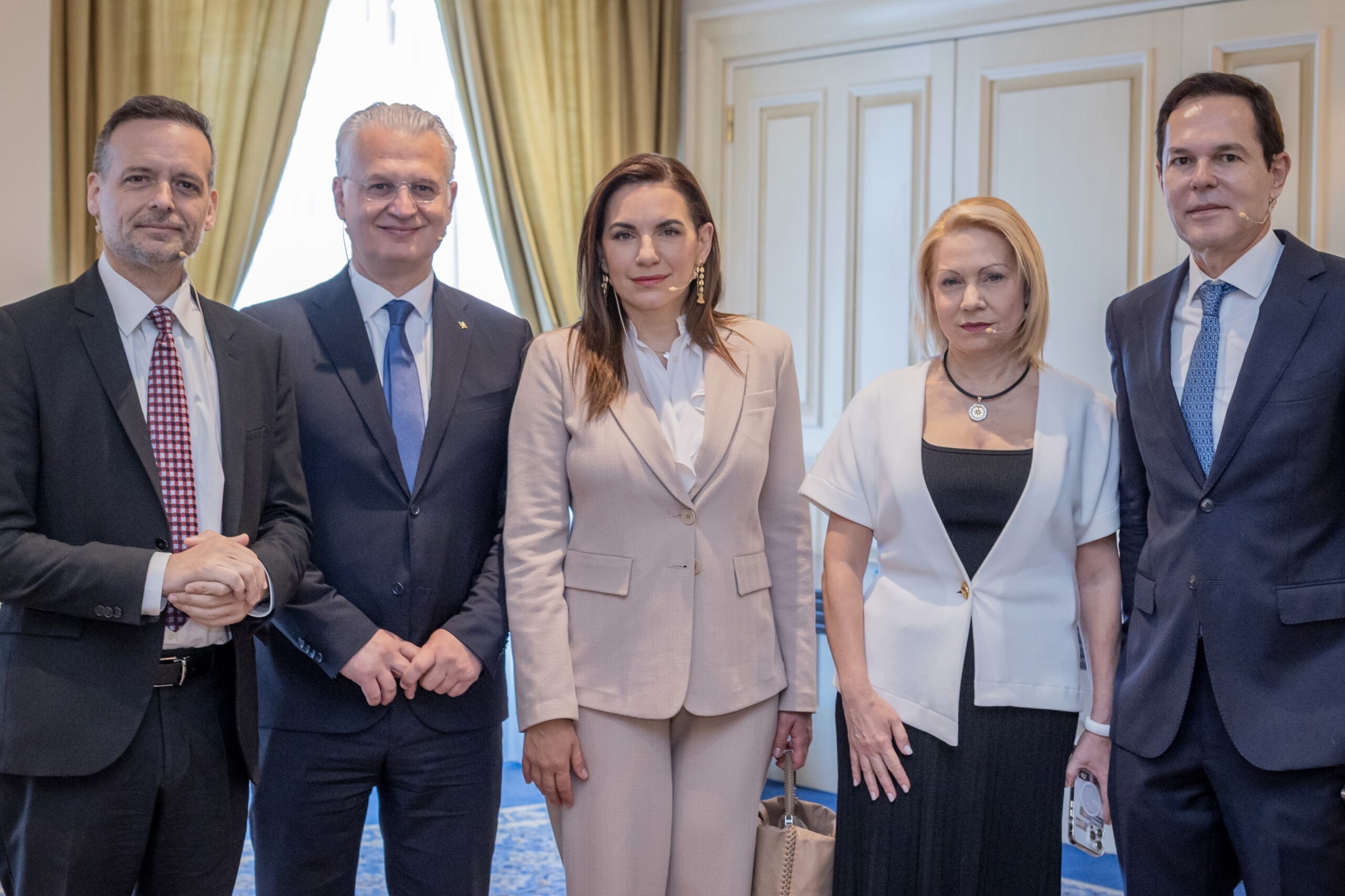
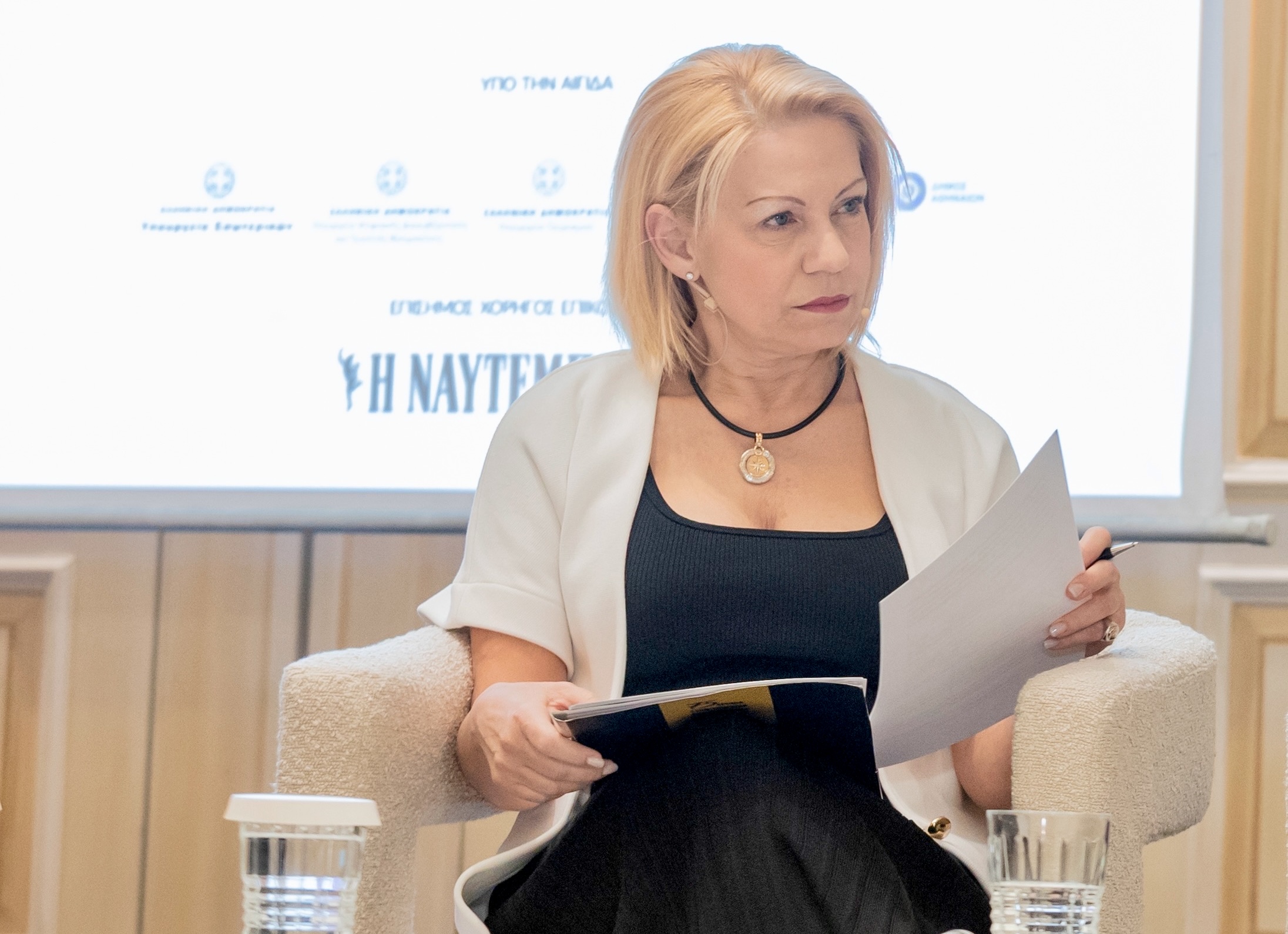
The President of the Research Institute for Tourism, Ms Christina Tetradis, expressed her conviction that Greek tourism must now transition to a model aligned with the principles of sustainable development during her address at the Local Future Conference – Local Government: “Innovative Practices and Smart Solutions”, held on Friday, 15 May 2026, at the King George Hotel. The discussion also featured the Minister of Tourism, Ms Olga Kefalogianni; the Governor of the Peloponnese Region, Mr Dimitris Ptochos; and the Mayor of Athens, Mr Haris Doukas, and was moderated by journalist Mr Dimitris Takis. Ms Tetradis noted that RIT’s recent survey shows that a large proportion of the Greek hotel sector has already recognised that this transition is necessary.
“The real question is not whether we can afford to invest in sustainability. The question is whether we can afford not to. Sustainability in Greek tourism is an investment in competitiveness,” Ms Tetradis emphasised, pointing out that international tourism is changing, as markets, investors, major tour operators and travellers themselves increasingly consider the sustainability of a destination and an accommodation establishment when making their choices.
The President of RIT therefore noted that “in a mature tourism market such as Greece, upgrading the visitor experience will not come solely from sun and sea, in 5 of the country’s 13 Regions, for 4 months of the year. It will come from the quality, reliability, authenticity and resilience of our product.”
Investment in reducing the energy footprint
As the President of RIT noted, more than €1 billion is invested each year in the renovation of tourism establishments, 20% of which is focused on Green Growth. It is therefore clear that hotels have a strong interest in investing in this direction. However, support from the State is equally important. As Ms Tetradis noted, it “must create incentives, investment financing tools and subsidised programmes, as well as provide training and technical support, so that the transition is inclusive.” She also highlighted the significant contribution of the Ministry of Tourism to this effort, as it “approaches sustainability not as a compliance obligation, but as a means of upgrading the entire Greek tourism product”.
The debate on overtourism and what RIT data show
Particular emphasis was placed during the discussion on the issue of overtourism. Ms Tetradis stated that “Greece is not suffering from overtourism.” She pointed out, however, that the term serves as a useful warning, as RIT data show that, in recent years, the unchecked expansion of Airbnb accommodation has placed additional pressure on infrastructure and worsened carrying-capacity indicators, without this being reflected in planning. “If we want serious spatial planning, the full extent of each destination’s actual tourism capacity must be taken into account,” she stressed. Short-term rentals are now part of the tourism economy and therefore constitute a tourism product. For this reason, they “must operate on equal terms and under the same taxation, safety, hygiene and spatial-planning rules as other accommodation establishments.”
As noted, RIT has worked on carrying capacity, particularly in Athens, through a study of data focusing not only on arrivals but also on bed density, seasonality, pressure on housing and infrastructure, airports and transport in general, water supply, waste management, the overall quality of life of residents and the quality of the visitor experience. “We cannot speak of tourism development while serious problems persist in essential infrastructure, such as water supply, sewerage, waste management and airports, and while a destination is deprived of development opportunities,” the President of RIT stated, also emphasising the need to accelerate the necessary investment in key infrastructure projects.
In closing, Ms Tetradis noted that “sustainability is not a communications slogan, but a fundamental prerequisite.” It is therefore essential for every destination to develop according to a plan, with rules, balance and a sustainable orientation that respects the environment, protects the character and culture of the destination and is based on social responsibility, while always placing people and residents’ quality of life at its centre.
“A destination is truly attractive when it is first and foremost sustainable for its residents, as citizens’ quality of life is directly linked to the quality of the tourism experience,” Ms Tetradis concluded, highlighting the important role that RIT can play in establishing a permanent monitoring mechanism, comprising a dynamic system of annual indicators for each destination, which could serve as a key strategic planning tool for bringing the Greek tourism product into the era of sustainable development.
Gallery